
How CTOs handle salary talks, unclear levels and developer feedback when there is no HR and no framework, and how to build a small one that holds.
Picture a CTO whose best backend engineer asks for a raise on a Tuesday. There are no levels, no ranges, and nobody in HR to ask. The engineer is the only person who really understands one critical part of the system, and both of them know it.
The CTO agrees to something, without really deciding. And then spends the next month wondering who else is going to ask.
Why It Keeps Going Wrong
In a small company, pay is decided one conversation at a time. The loudest request or the scariest resignation sets the number, and the number becomes the unwritten rule.
Feedback has the same problem. Developers ask what they need to do to become senior, and the honest answer is "I will know it when I see it." That is not an answer anyone can plan a career around.
And underneath sits the dependency. When one person holds knowledge nobody else has, every pay conversation is also a conversation about leverage. That is a hard place to negotiate from.
Write Down What Is Expected Per Level
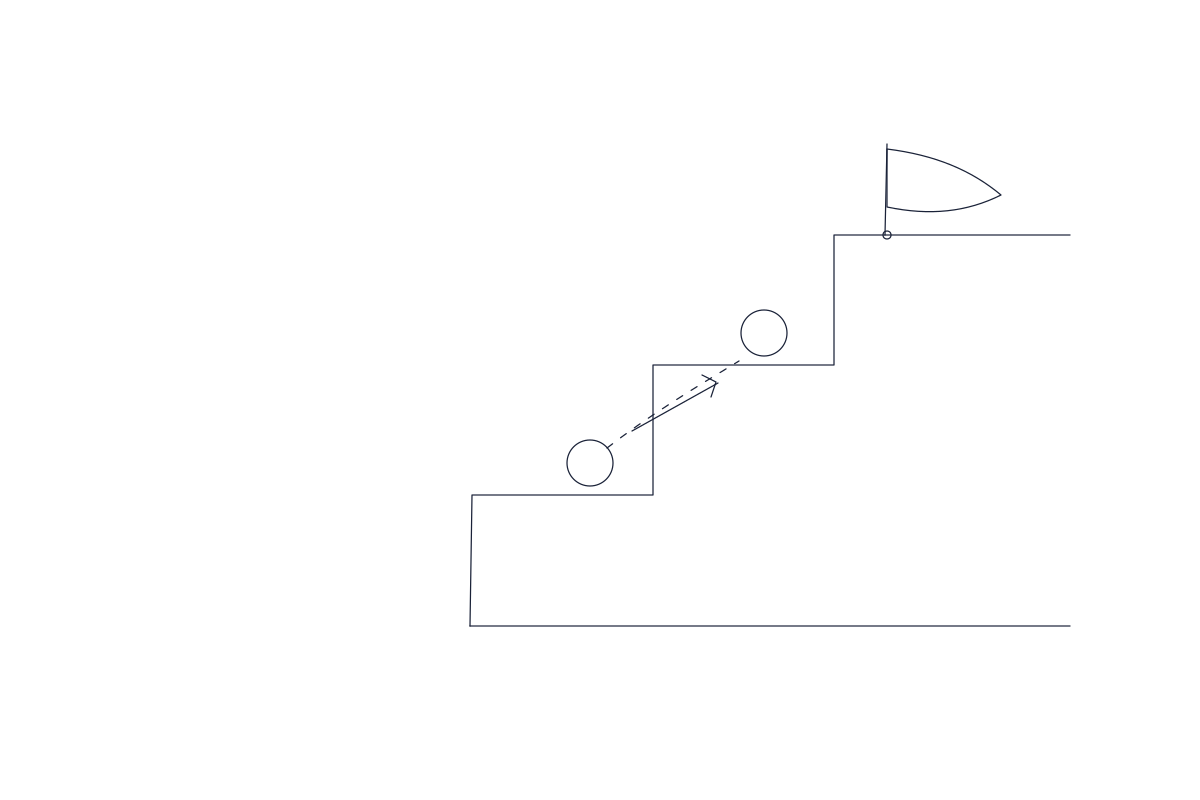
The thing that came up most often: put the expectations per level on paper. What is asked of a junior, what of a senior, and what a principal does on top, for example mentoring others. Attach a salary range to each level, so the level answers the pay question before anyone asks it.
Some CTOs also add a manager track next to the developer levels, and describe which AI skills are expected at each level. Publishing the levels to the team is fine. The salaries stay private.
If you do not know where to start, ask the developer what they think the levels should look like. And look at career ladder examples from other companies before you write your own.
Set the Rules for Raises Early
When engineers demand a raise, the rules matter more than the number. Two rules were repeated across coachings: one raise per year, and twelve months between raises. And do not give in under pressure.
Tie the raise to the behavior you expect at the next level, and align on those expectations first. For a QA engineer, for example, it helped to pay for the value delivered over the last year and to compare what the CTO expects with how the person sees themselves. A bonus works the same way: tie it to delivery of value, not to features.
Sometimes the problem is the reverse. A loyal developer who is clearly the best on the team can be underpaid while a newly hired lead earns more. In that case, fix the pay fairness for the developer, and give the lead clear expectations and room to succeed or fail.
Make Feedback Regular
Feedback gets easier when it is prepared. Write it down in advance, and mix in peer feedback and pair programming, so the CTO is not the only source.
One-on-ones feel empty when only the CTO talks. Let people fill in a self-evaluation, keep a shared document for the conversation, and ask for feedback explicitly. A template helps, and so does an expectation matrix per person. Ask each person what motivates them. Product ideas have no place in a one-on-one, they belong elsewhere.
Your First Move
Write down the expectations per level, with a salary range for each, and keep them private for now. Then fix the raise rhythm: one raise per year, twelve months apart, and no decisions under pressure.
What Not to Do First
- Do not give in under pressure.
- Do not build performance metrics first. Remove the disruptors, fix deployment and testing, then measure outcomes.
- Do not put product ideas into one-on-ones.
When You Want a Second Opinion
Pay conversations are usually the first time a CTO needs to act like an employer instead of a colleague. If you want a peer to think through a specific case with you before you walk into the room, book a call.
A level nobody wrote down is a promise nobody can keep.